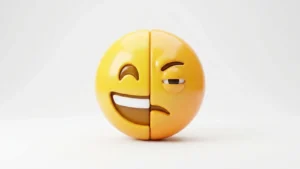
That little sideways expression can say more than a whole sentence.
Picture this: someone sends you a message that is technically funny, slightly awkward, or completely ridiculous.
You do not know whether to laugh, sigh, or pretend everything is fine. That is where the Sideways Face Emoji comes in.
Often represented by 🙃, it adds a playful layer of irony, awkwardness, or “well, this is happening” energy.
Its meaning can shift with the conversation, making context especially important when using WhatsApp emojis, Instagram emojis, or casual messages.
Sometimes one sideways smile says, “I’m fine… probably.”
What do Sideways Face Emoji Mean?
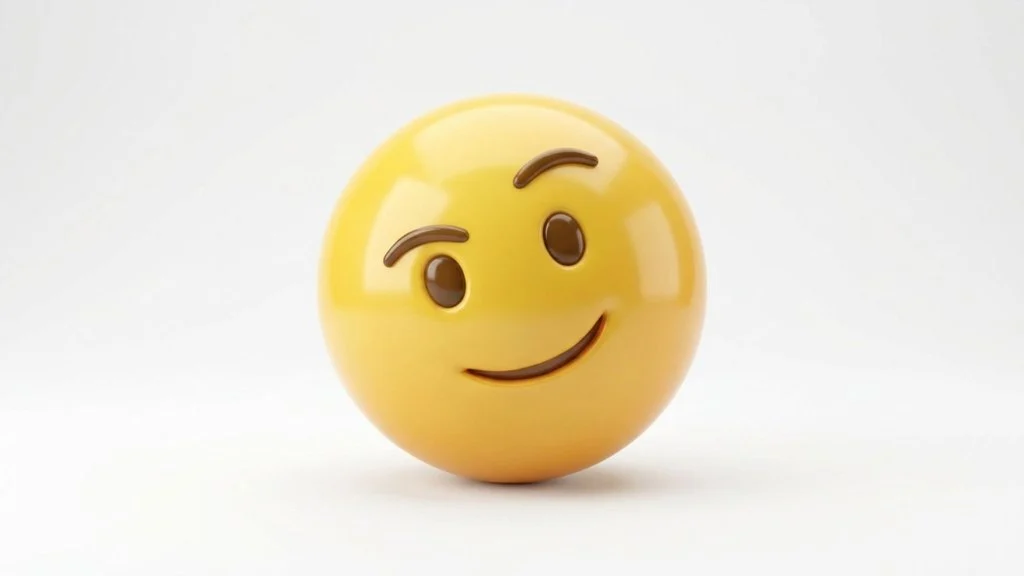
The Sideways Face Emoji is commonly associated with 🙃, but several nearby expressions can create a similar emotional tone. These faces are useful when a simple smile or neutral reaction does not quite capture your mood.
🙃 can feel cheerful on the surface while suggesting awkwardness, irony, resignation, or playful frustration underneath. For example, “I accidentally sent it to the wrong person 🙃” sounds very different from a genuinely happy message.
😏 adds a knowing or teasing edge, while 😒 can make a response feel unimpressed. 😑 is flatter and more emotionally tired, whereas 😬 often fits uncomfortable or cringe-worthy moments.
| Emoji | Core meaning | Misread as | Best used when |
|---|---|---|---|
| 🙃 | Irony, awkwardness, playful resignation | Genuine happiness | Something is awkward or absurd |
| 😏 | Knowing confidence or teasing | Arrogance | You are joking or being cheeky |
| 😒 | Unimpressed reaction | Anger | Something feels annoying |
| 😑 | Flat, tired reaction | Coldness | You have little to say |
| 😬 | Awkward discomfort | Nervous happiness | A situation feels cringe |
| 🫤 | Uncertainty or mixed feelings | Sadness | You are unsure how to react |
🙃 Upside-Down Face
Meaning: Playful irony, awkwardness, or a “what can you do?” attitude.
Example 1: Well, that went exactly as planned 🙃
Example 2: I forgot my keys again 🙃
😏 Smirking Face
Meaning: A knowing, teasing, or slightly mischievous expression.
Example 1: I told you I was right 😏
Example 2: Maybe I have a little surprise for you 😏
😒 Unamused Face
Meaning: Displeasure, annoyance, or a lack of enthusiasm.
Example 1: You really forgot again 😒
Example 2: That was not funny 😒
😑 Expressionless Face
Meaning: Emotional flatness, boredom, or a deliberately blank reaction.
Example 1: I have no words for this 😑
Example 2: Another meeting today 😑
😬 Grimacing Face
Meaning: Awkwardness, nervousness, or discomfort.
Example 1: I think I made things awkward 😬
Example 2: That was definitely embarrassing 😬
🫤 Face with Diagonal Mouth
Meaning: Uncertainty, hesitation, or mixed feelings about something.
Example 1: I am not sure about this 🫤
Example 2: That sounds a little strange 🫤
😐 Neutral Face
Meaning: A restrained, neutral, or deliberately emotionless response.
Example 1: Okay, then 😐
Example 2: I honestly do not know 😐
😶 Face Without Mouth
Meaning: Silence, speechlessness, or having nothing appropriate to say.
Example 1: You actually did that 😶
Example 2: I have absolutely nothing to add 😶
😕 Confused Face
Meaning: Confusion, uncertainty, or difficulty understanding something.
Example 1: Wait, what happened? 😕
Example 2: I do not understand this 😕
🫠 Melting Face
Meaning: Overwhelmed, embarrassed, exhausted, or humorously falling apart.
Example 1: That conversation was painful 🫠
Example 2: Me trying to stay calm 🫠
How to use Sideways Face Emoji the Right Way
On WhatsApp, the Sideways Face Emoji works especially well in personal conversations. Use it after an awkward story, an ironic comment, or a situation where you are laughing at your own bad luck.
On Instagram, these expressions can add personality to captions, comments, Stories, and replies. A single 🙃 can make a polished caption feel more casual, while 😏 can add a playful touch to a teasing post.
On TikTok, sideways-style expressions fit naturally with humor, relatable situations, reaction content, and irony. They can help communicate that you are joking rather than making a completely serious statement.
Do: Let the surrounding words provide context, especially when the message could be interpreted in several ways.
Do: Use one expression when you want a subtle reaction instead of covering your message with emojis.
Don’t: Assume everyone will interpret a sideways expression exactly as you intended.
Don’t: Use a teasing face in a serious conversation if it could make your response sound dismissive.
Best Sideways Face Emoji Combos Copy & Paste
Romantic
👉 ❤️ 🙃 For affection mixed with playful awkwardness.
👉 😏 ❤️ For a cheeky romantic message.
👉 ❤️ 😬 When admitting something sweet feels embarrassing.
Cute
👉 🙃 🥰 A playful, affectionate reaction.
👉 🫤 🙃 For cute uncertainty about what to say.
👉 😬 ❤️ When a sweet moment makes you shy.
Flirty
👉 😏 🙃 A teasing reply with a playful twist.
👉 😏 ❤️ 🙃 For lighthearted romantic teasing.
👉 🙃 😏 When you are pretending not to be impressed.
Missing Someone
👉 ❤️ 🙃 Missing someone while keeping the message light.
👉 🫤 ❤️ For uncertain, emotional longing.
👉 😶 ❤️ When you miss someone but cannot find the words.
Good Night
👉 🌙 ❤️ 🙃 A playful good-night message.
👉 😏 ❤️ A cheeky good-night sign-off.
👉 🙃 😴 When you are tired but still joking around.
Trending Sideways Face Emoji in 2026
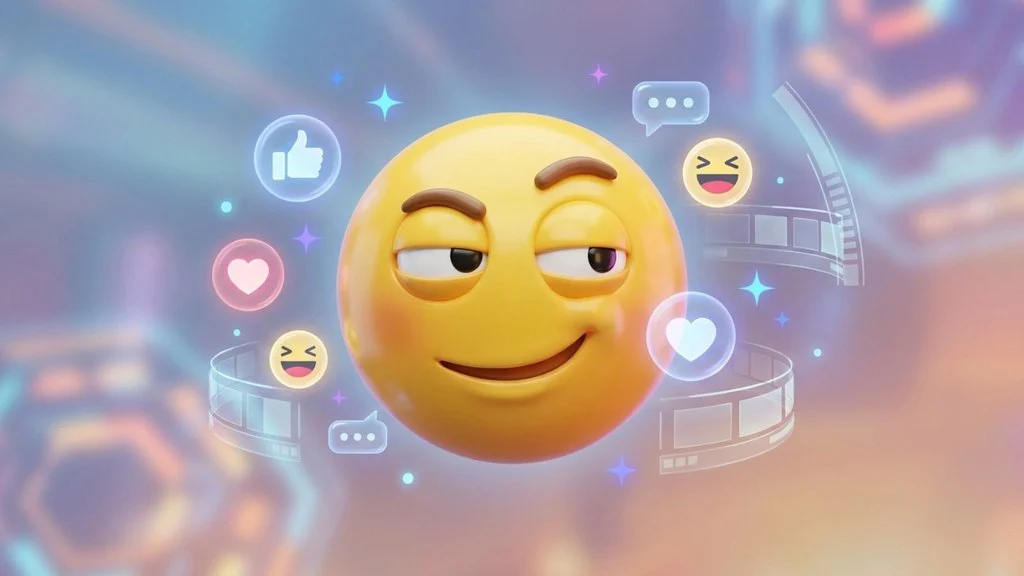
In 2026, expressive and context-dependent emojis continue to fit the way people communicate online: short messages, reactions, inside jokes, and playful irony. The appeal of 🙃 especially comes from its ability to soften an awkward situation without requiring a long explanation.
😏 also works well in casual conversations because it can turn an ordinary sentence into a teasing one. On social platforms, 😬 and 🫠 are useful for relatable moments where people want to communicate discomfort or overwhelm in a humorous way.
Younger users and content creators often rely on these flexible expressions when a literal response feels too serious. They are particularly useful in comments, short-form videos, Stories, group chats, and reaction-heavy conversations.
| Emoji | Why trending | Who uses it | Platform |
|---|---|---|---|
| 🙃 | Fits irony and awkward humor | Casual users and creators | WhatsApp, TikTok, Instagram |
| 😏 | Adds teasing personality | Friends and creators | Instagram, WhatsApp, TikTok |
| 😬 | Works for cringe and uncomfortable moments | Social media users | TikTok, Instagram |
| 🫠 | Expresses humorous overwhelm | Younger users and creators | TikTok, WhatsApp |
As digital conversations evolve, emoji use continues to become more contextual, with familiar faces taking on subtle meanings depending on the situation.
FAQ
1. What is the most popular Sideways Face Emoji?
🙃 is the most recognizable choice when people talk about a sideways or upside-down-style face. It is especially useful for irony, awkward humor, and playful reactions.
2. What does 🙃 mean from a girl or boy?
The meaning usually depends more on the message and relationship than on gender. It can suggest irony, awkwardness, teasing, or playful frustration in either case.
3. Why do emojis look different on iPhone vs Android?
Apple, Google, Samsung, and other platforms create their own visual designs for Unicode emojis. The basic character is shared, but its facial expression, shape, and details can look slightly different.
4. Are Sideways Face Emoji used differently in other countries?
Yes, context and internet culture can influence emoji meanings. A reaction that feels sarcastic in one conversation may simply seem playful or humorous in another.
Conclusion
The Sideways Face Emoji is useful when ordinary words cannot capture an awkward, ironic, or playful moment.
Use it with the surrounding conversation in mind, especially when tone could be misunderstood.
If you are chatting privately or posting publicly, the right expression can make a simple message feel much more natural.